
Relocation
Moving to Brevard County, FL: 2026 Relocation Guide
Thinking about relocating to Brevard County, Florida? A complete guide to cost of living, climate, taxes, healthcare, schools, neighborhoods, and what life is really like on this stretch of the Treasure Coast.
Relocating to Brevard County, Florida means trading high state-income-tax living for one of the calmer, lower-density stretches of the Florida coast. The northern gateway to the Treasure Coast, Brevard County stretches along the Space Coast with riverside towns, growing master-planned communities, and easy access to Melbourne and the Kennedy Space Center area. This 2026 relocation guide covers what to expect, cost of living, climate, taxes, healthcare, schools, and lifestyle, for buyers moving to Brevard County from out of state or from elsewhere in Florida.
Brevard County at a glance
Average monthly temperatures
Representative Treasure Coast averages (°F)
- Avg High
- Avg Low
State income tax: Florida vs common feeder states
Top marginal rate (%). Florida has none, a major draw for relocators.
What life in Brevard County looks like
Pros of moving to Brevard County
- No state income tax
- Atlantic & Indian River Lagoon access
- Lower density than South Florida
- Strong new-construction inventory
- Modern code = lower insurance on new homes
Things to plan for
- Hurricane season (Jun – Nov)
- Hot, humid summers
- Rising statewide insurance trends
- Limited public transit, car required
- Pricing varies widely across the county
Why people are moving to Brevard County
Brevard County sits on Florida's Treasure Coast, quieter than South Florida, warmer than Central Florida, and more affordable than Naples or Sarasota. The biggest draws are no state income tax, the Atlantic and Indian River Lagoon coastlines, lower-density growth, and a strong supply of new construction at price points that still feel reasonable for relocators coming from the Northeast, Midwest, and Mid-Atlantic.
Cost of living in Brevard County
Florida has no state income tax, which is the single largest financial driver for most relocators. Brevard County's cost of living generally tracks the Florida average, slightly above the U.S. average on housing and insurance, slightly below on groceries, gas, and utilities. Property taxes are moderate (see the linked Property Taxes guide for county-specific millage), and homeowners insurance on new construction is meaningfully lower than on older resale homes thanks to modern building code credits.
Climate and weather
Expect a humid subtropical climate: warm, humid summers (highs in the upper 80s to low 90s), mild winters (highs in the 70s, occasional lows in the 40s), and a defined June–November hurricane season. The Treasure Coast has historically seen fewer direct major hurricane impacts than South Florida or the Panhandle, but storm preparation is part of life here.
Healthcare in Brevard County
Brevard County is served by a mix of regional hospital systems including Cleveland Clinic, HCA Florida, and Health First (depending on county). Specialists, retiree-focused practices, and major medical centers in West Palm Beach and Orlando are within easy driving distance, an important factor for buyers relocating in retirement.
Schools and family life
Brevard County schools are operated by the Brevard County School District. The county also has private school and charter options. For families, school zone matters, confirm the assigned school for any specific homesite before signing a contract, since boundaries shift as new schools open.
Cities and towns to consider
Brevard County includes Palm Bay, Micco. Each has a different feel, some are coastal and walkable, others are inland and master-planned. Browse the city-specific relocation guides linked below for a deeper look at each.
Pros and cons of moving to Brevard County
Pros: no state income tax, beach access, lower density, strong new-construction inventory, growing healthcare and dining scene. Cons: hurricane season, summer humidity, rising homeowners insurance statewide, and limited public transit, a car is essentially required.
Frequently Asked Questions
What is the cost of living in Brevard County compared to other parts of Florida?
Brevard County is generally less expensive than Palm Beach, Broward, or Miami-Dade counties, and roughly comparable to or slightly above Brevard and inland Central Florida. Housing and insurance are the largest variables.
Is Brevard County a good place to retire?
Yes, Brevard County is a popular retirement destination thanks to no state income tax, a mild climate, beach access, strong healthcare, and a steady supply of 55+ active adult new construction communities.
What is the best time of year to move to Brevard County?
Most relocators target the fall (October–November) after hurricane season peaks but before the snowbird rush. Spring is also popular. Summer moves are doable but hot and humid.
Keep researching
- Brevard County new construction overview
- Vero Lake Estates, $285,900 – $462,900
- Hampton Park, $369,990 – $534,293
- Venetian Grove, $300,000 – $500,000
- Pineapple Preserve, Call for pricing
- Maronda Homes floor plans & pricing
- LGI Homes floor plans & pricing
- Meritage Homes floor plans & pricing
- Treasure Coast Property Taxes: County-by-County Breakdown
- Homeowners Insurance for New Construction in Florida
- Flood Zones on the Treasure Coast: What Buyers Need to Know
- The Treasure Coast New Construction Buying Process
- Compare all Treasure Coast communities
- Browse every active builder
Want a personalized walk-through?
Talk to a Treasure Coast new construction specialist for builder-specific incentives, lot recommendations, and current pricing.
Talk to a Local Expert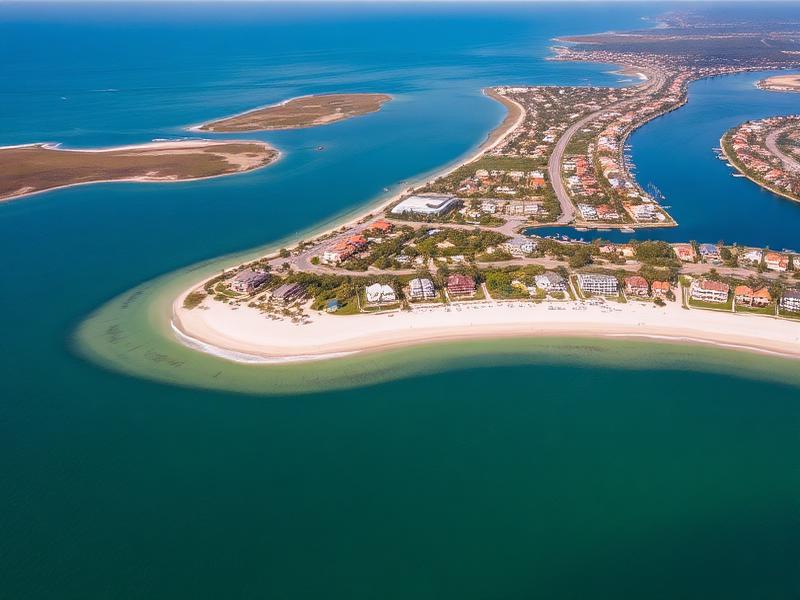
Have Questions About New Construction?
Get personalized guidance on buying a new construction home anywhere on the Treasure Coast, from a local expert.